 +614 2193 1745
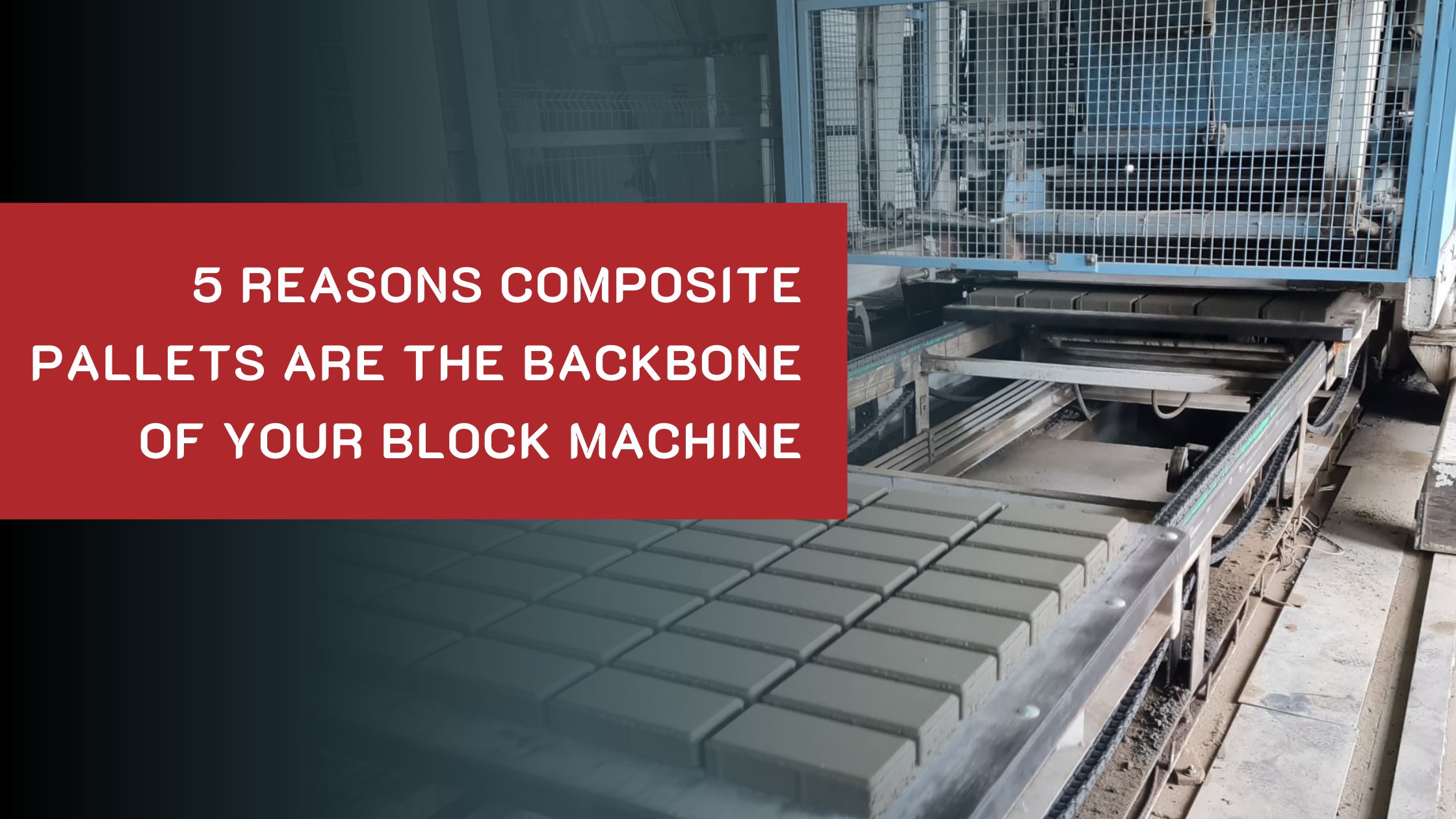
5 Reasons Composite Pallets Are the Backbone of Your concrete block Machine
5 Reasons Composite Pallets Are the Backbone of Your concrete block Machine Home 5 Reasons Composite Pallets Are the Backbone of Your concrete block Machine When it comes to the concrete block-making industry, efficiency and durability are everything. Every component, from the raw materials to the equipment, must work in harmony to ensure a smooth production process. One often overlooked but critical component in this ecosystem is the pallet. Specifically, composite pallets are proving to be a game-changer for concrete block machines. In this blog, we’ll explore the top 5 reasons composite pallets are indispensable for your concrete block machine operation. 1. Unmatched Durability Composite pallets are designed to withstand the rigors of heavy-duty concrete block manufacturing. Unlike wooden or steel pallets, composite pallets are made from hardwood and have steel mesh reinforcement that offer superior strength and resilience. Some composite pallets have a surface protected with plastic for extra protection Impact Resistance: Composite pallets can endure the constant impact of heavy concrete concrete blocks being placed and removed without cracking or breaking. Weather Tolerance: These pallets are impervious to moisture, extreme heat, and cold, making them ideal for indoor and outdoor operations. Longevity: With a lifespan that often exceeds that of traditional pallets, composite pallets save costs in the long run. Plus, RHINO pallets are refurbishable so they last even longer! The durability of composite pallets ensures consistent production without interruptions, helping you meet your deadlines and maintain customer satisfaction. 2. Enhanced Precision and Stability Precision is crucial in concrete block-making. Even the slightest deviation in the size or weight of a concrete block can affect its quality and structural integrity. Composite pallets excel in this regard. Dimensional Accuracy: Unlike wooden pallets, which can warp over time, composite pallets retain their shape and dimensions even after prolonged use. Uniform Surface: The joint-free smooth and consistent surface of composite pallets ensures that concrete blocks are perfectly aligned during curing. Load Stability: These pallets are engineered to handle the weight of multiple concrete blocks without bending or sagging, ensuring uniformity in production.The steel mesh reinforced core ensures even load distribution. By providing a stable and precise platform, composite pallets help manufacturers produce high-quality concrete blocks that meet industry standards. 3. Cost-Effective in the Long Run While composite pallets may have a higher upfront cost than wooden pallets, they are more affordable than steel pallets and also prove to be more economical over time. Reduced Maintenance Costs: Composite pallets do not splinter or rust. Fewer Replacements: Their long lifespan means you won’t need to replace them as often as other types of pallets. Refurbishable: In addition to an already long lifespan, RHINO composite pallets can be refurbished to near new condition with 5 year additional warranty. Lower Downtime: Durable pallets reduce production interruptions caused by pallet failures. Investing in composite pallets is a smart financial decision that offers significant returns through reduced operational costs and improved productivity. 4. Eco-Friendly and Sustainable In today’s environmentally conscious world, businesses are looking for ways to reduce their carbon footprint. Composite pallets align perfectly with this goal. FSC certified: RHINO composite pallets are Forest Stewardship Council (FSC) certified meaning we source are hardwood from plantations that are managed sustainably. Sustainability: Their long lifespan means fewer pallets are discarded, reducing landfill waste. Using composite pallets demonstrates your commitment to sustainability, which can enhance your brand’s reputation among eco-conscious customers. 5. Compatibility with Modern concrete block Machines As concrete block-making technology evolves, manufacturers need components that can keep up with advanced machinery. Composite pallets are engineered to be compatible with modern concrete block machines. High-Performance Design: Composite pallets can handle the rapid cycles of automated concrete block machines without deforming or failing. Low Friction: The smooth surface of these pallets reduces friction during concrete block transfer, ensuring seamless operation. Customizable Options: Many composite pallets can be tailored to fit specific machine models, ensuring optimal performance. By integrating seamlessly with advanced concrete block machines, composite pallets help manufacturers stay ahead of the competition. Additional Benefits of Composite Pallets Apart from the five core reasons mentioned above, composite pallets offer several other advantages: Hygienic: They are resistant to mold, mildew, and bacteria, ensuring a clean production environment. Lightweight: Despite their strength, composite pallets are lighter than steel pallets, making them easier to handle. Aesthetic Appeal: Their sleek and modern design adds a professional touch to your manufacturing setup. Choosing the Right Composite Pallets for Your concrete block Machine Not all composite pallets are created equal. When selecting pallets for your concrete block machine, consider the following factors: Load Capacity: Ensure the pallet can handle the weight of your concrete blocks. Machine Compatibility: Check if the pallet dimensions match your concrete block machine’s specifications. Material Quality: Opt for pallets made from high-grade materials for maximum durability. Supplier Reputation: Choose a trusted supplier with a proven track record of delivering high-quality pallets. Conclusion Composite pallets are more than just a platform for your concrete blocks; they are an integral part of your concrete block-making process. Their durability, precision, cost-effectiveness, eco-friendliness, and compatibility with modern machines make them the backbone of any efficient concrete block manufacturing operation. Investing in composite pallets is not just about improving production; it’s about future-proofing your business. With the right pallets, you can achieve higher efficiency, lower costs, and superior concrete block quality—all while contributing to a sustainable future. So, if you’re still using outdated pallet solutions, it’s time to make the switch. Your concrete block machine deserves the best, and composite pallets deliver nothing less. Upgrade today and experience the difference!
Read More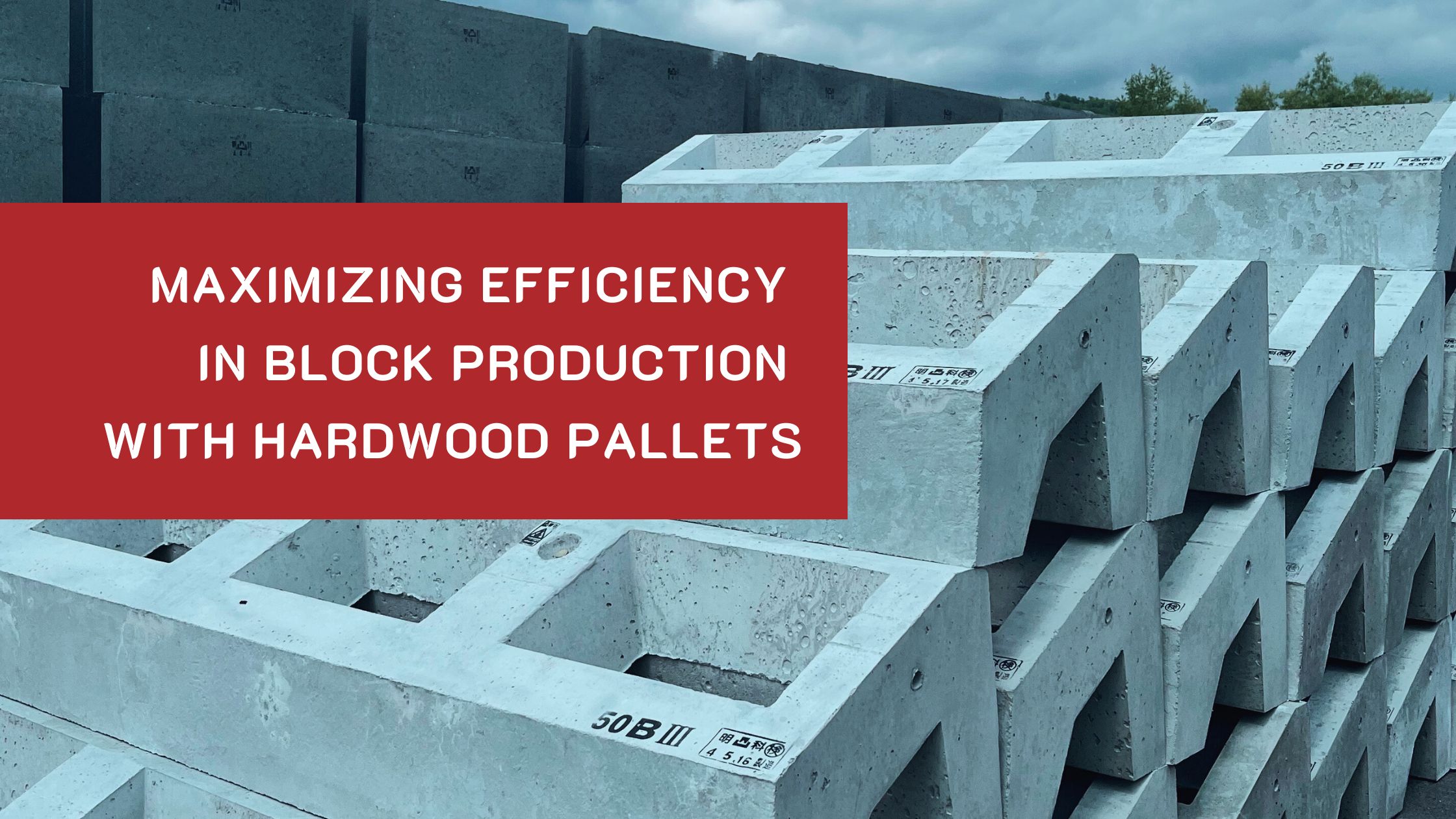
Maximizing Efficiency in Brick and Block Production with Hardwood Pallets
Maximizing Efficiency in Brick and Block Production with Hardwood Pallets Home Maximizing Efficiency in Brick and Block Production with Hardwood Pallets In the Industry of brick and block production, efficiency is the name of the game. Whether you’re producing bricks for construction projects or blocks for landscaping, every minute counts. Inefficiencies can lead to wasted time, higher costs, and even delays in delivery. That’s why manufacturers are always on the lookout for ways to streamline their production processes. One underrated but game-changing factor in this process is the humble hardwood pallet. These sturdy and reliable platforms play a crucial role in handling, stacking, and curing bricks and blocks. By ensuring stability and durability, hardwood pallets can significantly boost productivity and keep your operations running smoothly. In this blog, we’ll dive into how these pallets maximize efficiency and why they’re a must-have for modern production setups. Why Efficiency Matters in Brick and Block Production In brick and block production, even small inefficiencies can snowball into big problems. Delays in production not only increase costs but can also disrupt project timelines, leading to unhappy clients and lost business opportunities. For manufacturers, every step in the process from molding to stacking needs to be optimized to maximize output and minimize waste. Durable materials play a critical role in maintaining this smooth production flow. Using unreliable or weak materials, like low-quality pallets, can lead to issues like breakage during handling or uneven curing of bricks. These problems slow down production and increase expenses. By incorporating strong and durable solutions like hardwood pallets, you can ensure stability, reduce downtime, and improve overall efficiency in the block manufacturing process. The Role of Hardwood Pallets in Brick and Block Production Hardwood pallets play a crucial role in the brick and block production industry, acting as the backbone for efficient handling, storage, and transportation. Their durability, strength, and adaptability make them indispensable in this manufacturing process. 1. Stability During Curing In brick and block production, stability is critical during the curing process. Hardwood pallets provide a sturdy base, ensuring that freshly molded bricks and blocks remain undisturbed while drying and hardening, thus preventing deformation or structural weaknesses. 2. Durability and Load Capacity Hardwood pallets are known for their strength and ability to handle heavy loads. Given the weight of bricks and blocks, these pallets are ideal for securely stacking and transporting products without risking breakage or pallet failure. 3. Versatility for Automation Modern brick and block production often involves automated systems. Hardwood pallets are compatible with automated machinery, such as forklifts and conveyor systems, ensuring seamless movement and reducing manual handling. 4. Reusability and Cost-Effectiveness Hardwood pallets are highly durable, making them reusable over multiple production cycles. This reduces the need for frequent replacements, lowering operational costs over time and contributing to more sustainable production practices. 5. Protection Against Damage During storage and transportation, bricks and blocks are susceptible to chipping or cracking. Hardwood pallets act as a protective barrier, keeping products off the ground and minimizing exposure to moisture, dirt, or impact damage. 6. Customization Options Hardwood pallets can be customized to fit the specific dimensions and weight requirements of brick and block production lines. This ensures optimal utilization of space and efficient handling across the manufacturing process. Key Benefits of Hardwood Pallets When it comes to brick and block production, hardwood pallets bring some serious advantages to the table. Let’s break down why they’re a favorite in the industry. Durability: Built to Handle the Tough Stuff Brick and block manufacturing is no easy task. The weight and pressure involved can quickly wear out weaker pallets. That’s where hardwood pallets shine. They’re designed to handle heavy loads and rough handling without cracking or breaking. Whether it’s stacking fresh blocks or moving them around the production site, durable hardwood pallets can take the beating and keep performing day after day. Longevity: Saving You Money in the Long Run Investing in hardwood pallets isn’t just about short-term performance it’s about long-term value. Their strong construction means they last much longer than pallets made from plastic or softwood. This reduces the need for frequent replacements, saving you money and cutting down on operational disruptions. In the long run, long-lasting pallets for bricks prove to be a cost-effective choice for manufacturers. Stability: Ensuring Quality Every Step of the Way Uniform curing and stable stacking are crucial for producing high-quality bricks and blocks. Hardwood pallets provide the sturdy base needed to keep everything in place during the curing process. Their strength and design ensure that your products remain stable, reducing the risk of deformation or damage. This stability translates to consistent product quality, which is a win-win for manufacturers and customers alike. In short, durable hardwood pallets are the backbone of efficient and high-quality brick production. They’re tough, reliable, and built to last, making them an essential part of any modern manufacturing setup. How Hardwood Pallets Enhance Production Efficiency Hardwood pallets are more than just platforms they’re productivity boosters in brick and block manufacturing. Here’s how they help streamline operations and improve overall efficiency: Streamlined Stacking and Handling With hardwood pallets, stacking and handling bricks and blocks becomes a breeze. Their robust design provides a stable base for organizing products neatly, ensuring easy movement across the production line. This streamlining not only saves time but also minimizes the risk of errors, keeping the process smooth and efficient. It’s no wonder they’re a key factor in achieving better efficiency in block production. Reduced Downtime Due to Breakage or Deformation Weaker pallets often fail under the heavy weight of bricks, leading to frustrating breaks and downtime. Hardwood pallets, however, are built tough to withstand rough handling and heavy loads. Their durability reduces the likelihood of unexpected interruptions caused by damaged pallets, allowing production to keep running without costly delays. Improved Product Quality Through Stable Curing A stable curing process is essential for producing high-quality bricks and blocks. Hardwood pallets provide a reliable and even surface that prevents shifting or deformation during curing. This stability
Read More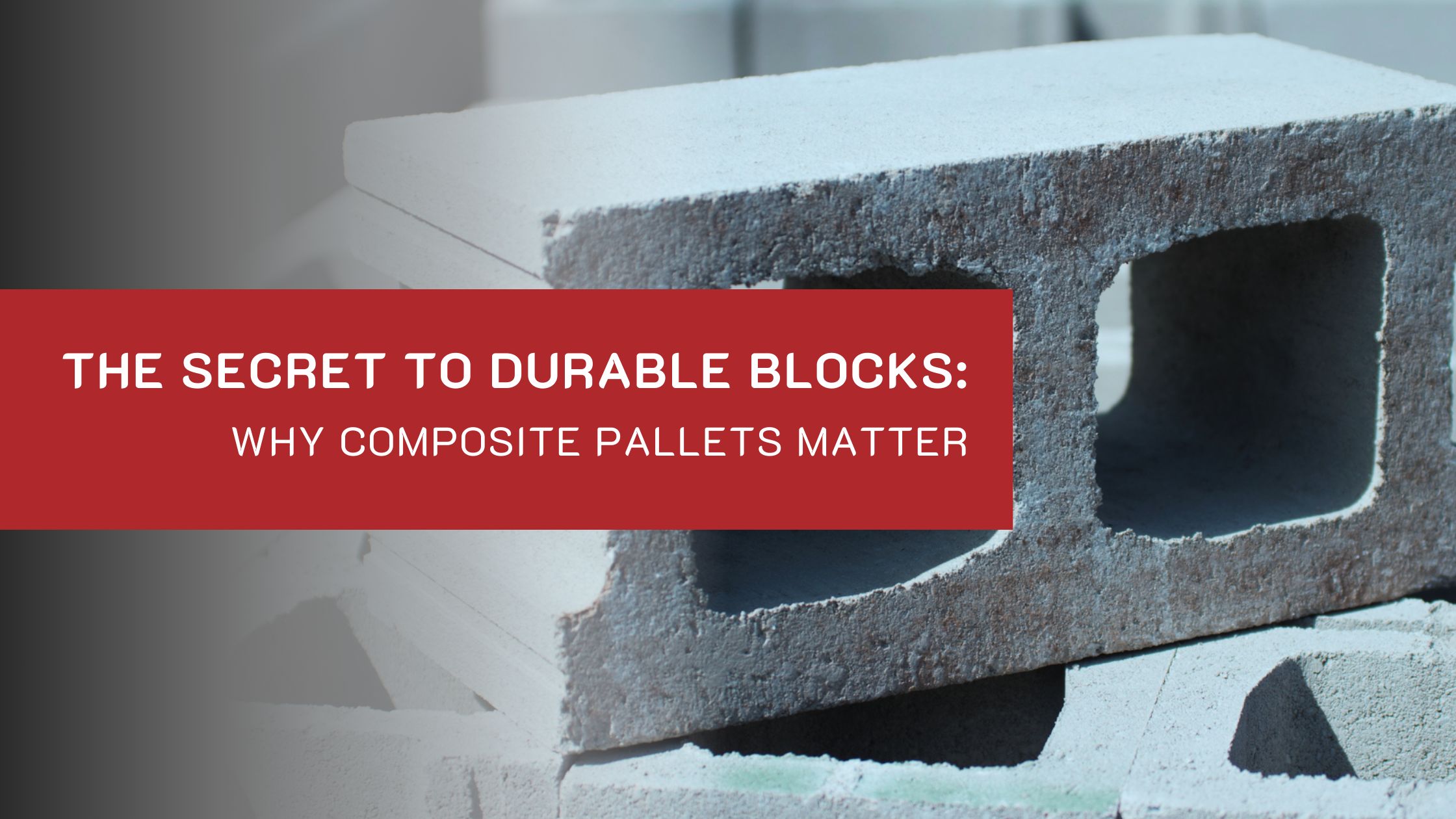
The Secret to Durable Concrete Blocks: The Pallets
The Secret to Durable Concrete Blocks The Pallets Home The Secret to Durable Concrete Blocks: The Pallets When it comes to construction, durable Concrete Blocks are the backbone of strong, long-lasting structures. But have you ever wondered what plays a key role in making those Concrete bricks so reliable? While most people focus on the materials or manufacturing process, there’s one unsung hero in the mix – pallets! Yes, those sturdy platforms aren’t just for moving things around; Concrete Blocks making pallets make sure they stay strong and durable. Intrigued? Let’s dive into why pallets might just be the secret ingredient to tougher Concrete Blocks. Understanding Block Durability Block durability refers to how well a block can resist wear and tear over time, even when exposed to harsh weather, heavy loads, or regular use. In construction, this durability is crucial because strong Concrete Blocks mean safer and more reliable structures that can stand the test of time. Nobody wants walls that crack or crumble after a few years! Several factors influence how strong and long-lasting a block will be. The materials used, like the type of cement, sand, or aggregates, play a huge role. High-quality ingredients lead to stronger Concrete Blocks. The manufacturing process is equally important—everything from how the Concrete Blocks are mixed, molded, and cured affects their final strength. Even small mistakes during production can lead to weaker Concrete Blocks. Handling and storage are often overlooked but can make or break block durability. Poor storage conditions, like stacking Concrete Blocks on uneven surfaces or using damaged pallets, can cause cracks or weaken the Concrete Blocks before they’re even used. That’s why every step—from choosing materials to how Concrete Blocks are stored—needs attention to ensure they remain durable and reliable. The Role of Pallets in Block Durability In block manufacturing, pallets are the sturdy platforms on which freshly made Concrete Blocks are placed for curing, storage, and transportation. These pallets are designed to handle the weight and ensure that Concrete Blocks remain stable throughout the process. Think of them as the foundation that supports Concrete Blocks during their most delicate stages. Pallets play a vital role during curing, where Concrete Blocks harden and gain their strength. If the pallet isn’t strong or even, it can cause uneven pressure, leading to weaker or misshapen Concrete Blocks. Similarly, during handling and transportation, pallets keep Concrete Blocks organized and protected from damage caused by shifting or mishandling. The design and quality of the pallets directly impact block strength. Well-designed pallets made from durable materials provide uniform support, ensuring that every block cures properly and evenly. On the other hand, damaged or low-quality pallets can compromise block durability, making it crucial for manufacturers to invest in the right pallets for consistent, high-quality results. Common Mistakes in Pallet Usage and Their Impact on Concrete Blocks One of the biggest mistakes in block manufacturing is using low-quality or damaged pallets. Pallets that are weak, cracked, or worn out can’t provide the stable base Concrete Blocks need during curing and handling. This often results in uneven curing, cracks, or even breakage, ultimately reducing block strength and durability. Another common issue is using pallets that are the wrong size for the Concrete Blocks being manufactured. Pallets that are too small or large can lead to uneven support, causing Concrete Blocks to warp or develop weak spots. Consistent support is key to ensuring that every block cures properly and maintains its structural integrity. Finally, poor maintenance of pallets can have a significant impact on block quality. Dirty, warped, or poorly stored pallets can compromise the stability of Concrete Blocks during curing or transport. Regular inspection and upkeep of pallets ensure they remain in good condition, supporting the production of strong, durable Concrete Blocks every time. Conclusion Pallets may not be the first thing that comes to mind when thinking about block durability, but their role is undeniably crucial. From providing stable support during curing to ensuring proper handling, pallets are the unsung heroes in creating strong, reliable Concrete Blocks. Ignoring their quality or condition can lead to weaker Concrete Blocks and compromised structures. For manufacturers, investing in high-quality block pallets and maintaining them regularly is a simple yet effective way to enhance block durability. It’s a small change that can make a big difference in the final product’s strength and longevity. The bottom line? Durable Concrete Blocks start with the right foundation – and that foundation is the pallets. Don’t overlook their importance in the manufacturing process!
Read More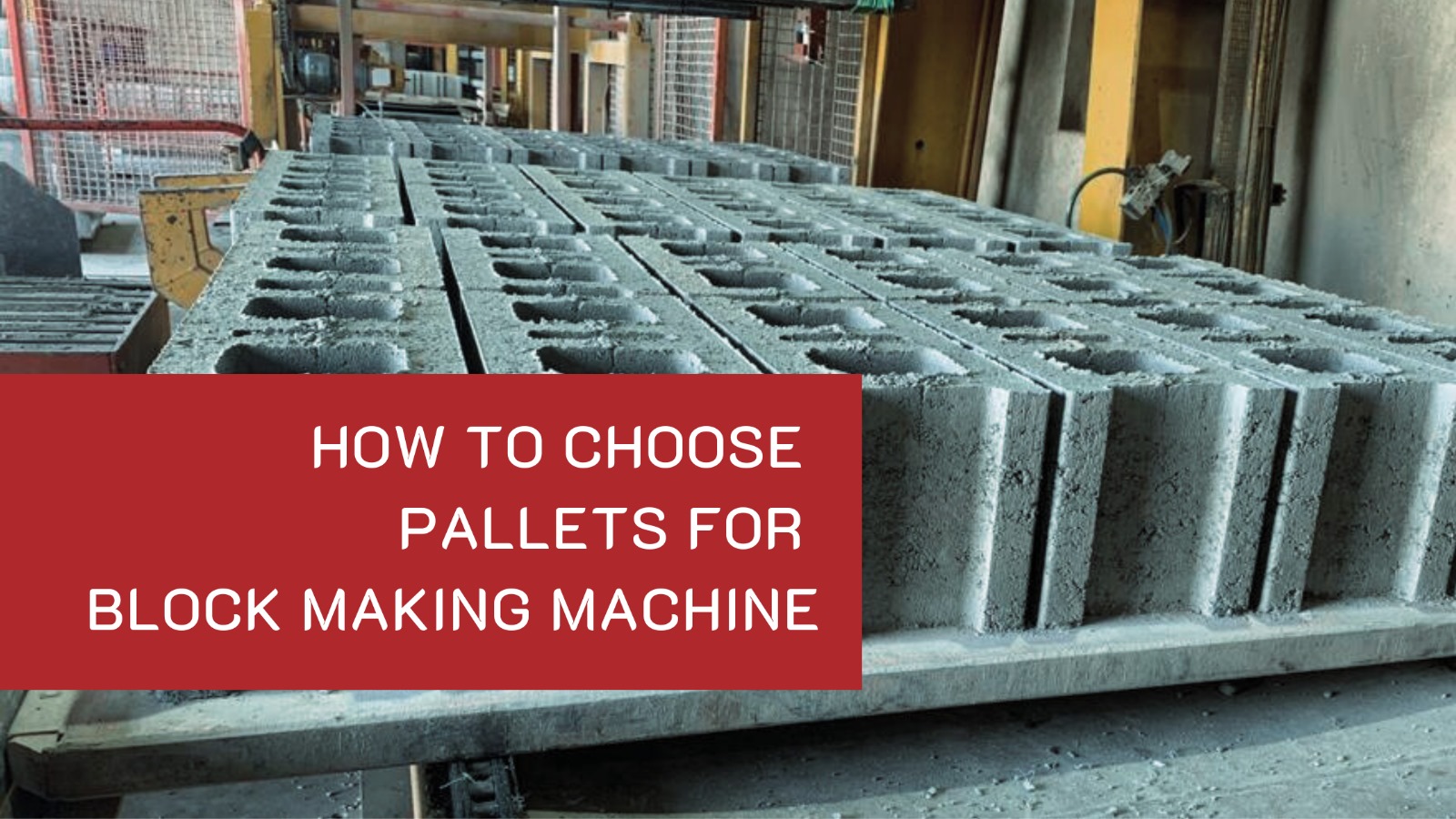
How to Choose Pallets for Block Making Machine?
How to Choose Pallets for Block Making Machine? Home How to Choose Pallets for Block Making Machine? Pallets play a vital role in block-making machines. They act as a foundation for the blocks during production, ensuring they maintain their shape and stay intact until they’re ready to be moved or cured. Choosing the right pallets can make a big difference in the efficiency and quality of your block-making process. But with so many options out there, how do you know which pallets are the best fit for your machine? Should you go for wood, steel, plastic, or something else? Don’t worry, we’re here to simplify it for you! In this blog, we’ll walk you through everything you need to consider to pick the perfect pallets for your block-making machine. Let’s get started! Material Considerations for Pallets When choosing pallets for a block-making machine, understanding the materials available is crucial. Each type of pallet has its own strengths and weaknesses, which can significantly impact the efficiency and longevity of your block production process. Let’s take a closer look at the most common options: 1. Softwood Pallets Pros: Softwood pallets are one of the most affordable options on the market, making them a popular choice for smaller operations or businesses looking to minimize initial costs. They are easily available in various sizes and thicknesses, making it convenient to find options that suit different block-making machines. Cons: The main drawback of softwood pallets is their susceptibility to wear and tear. With continuous use, especially in wet or humid conditions, they can splinter, crack, or warp over time. Softwood pallets are less durable than other materials and may require frequent replacements, which could lead to higher costs in the long run. 2. Steel Pallets Pros: Steel pallets are incredibly strong and durable, making them ideal for high-pressure block-making machines. They can handle heavy loads without bending or breaking. Their long lifespan and minimal maintenance requirements make them a cost-effective option over time. Steel pallets are resistant to environmental factors like moisture, heat, and chemical exposure, ensuring consistent performance in tough working conditions. Cons: The biggest downside of steel pallets is their higher upfront cost compared to other materials. For smaller businesses, this initial investment might feel significant. Steel pallets are susceptible to rust which makes the material swell and distort. These patches can make the whole pallet distort over time which may lead to uneven concrete blocks. They are heavier than other materials, which can make manual handling a bit more challenging. The heavy pallets increase the wear and tear of finger car machines as well which may lead to higher maintenance costs for your equipment. 3. Plastic Pallets Pros: Plastic pallets are lightweight, making them easy to handle and transport. This can reduce labor effort and enhance production speed. They are highly resistant to moisture, rust, and corrosion, making them a reliable choice for environments exposed to water or chemicals. Plastic pallets are easy to clean, ensuring hygienic conditions during block production. Cons: The main disadvantage of plastic pallets is their higher cost compared to softwoodones, especially when opting for heavy-duty plastic models. While durable, plastic pallets may not be as strong as steel ones and could deform under extremely heavy loads or high temperatures. 4. Composite Pallets Pros: Composite pallets are a blend of materials, often combining the strength of steel with the flexibility of plastic or hardwood, offering a balanced option. They are highly durable and resistant to environmental conditions like moisture, temperature changes, and chemicals. This makes them a great choice for industries with demanding requirements. Cons: Composite pallets are typically more expensive than softwood and even some plastic pallets, making them a better fit for businesses willing to invest in long-term durability. Availability might be limited compared to more common materials like hardwood or plastic, which could lead to longer delivery times. Pointers to Consider While Choosing the Material of Composite Pallets for Block Making Machine The right pallet material depends on your specific needs, budget, and working conditions. If you’re running a high-production operation, investing in steel or composite pallets can save money over time due to their durability. On the other hand, for small-scale operations, wooden or plastic pallets may be sufficient to get the job done without straining your budget. Understanding these pros and cons will help you make a decision that enhances your block-making efficiency. Size and Dimensions of Pallets When choosing pallets for block-making machines, size and dimensions play a critical role. The right size ensures proper alignment, stability, and smooth operation, directly impacting the quality of the blocks produced. Here are the key aspects to consider: Importance of Pallet Size Matching Block Size Block-making machines rely on pallets to hold freshly made blocks as they set and cure. If the pallet size doesn’t align with the block size, it can lead to instability, causing the blocks to lose shape or even collapse during production or transportation. A correctly sized pallet ensures that blocks remain secure and well-formed, minimizing waste and maximizing efficiency. Different Block-Making Machines and Their Pallet Requirements Block-making machines come in various models, each with specific requirements for pallet sizes. For instance: Manual Block-Making Machines: These often require smaller, lightweight pallets that are easy to handle manually. Semi-Automatic Machines: These machines demand medium-sized pallets that provide sufficient support for larger batches. Fully Automatic Machines: Advanced machines require robust, precisely sized pallets to handle high-speed operations and large-scale production without interruptions. (Learn about Importance of an Automatic Brick Palletizing Machine for Concrete Block Machines) When selecting pallets, consult your machine’s specifications to ensure compatibility. Incorrect sizes can lead to inefficiencies, machine wear, or production delays. Key Dimensions to Consider Length and Width: These dimensions must match the block mold size to provide a snug fit and prevent shifting during production. Standard pallet sizes typically range from 800mm x 550mm to 1400mm x 1100mm, but custom sizes are also available based on machine requirements. Thickness: The thickness of a pallet determines its
Read More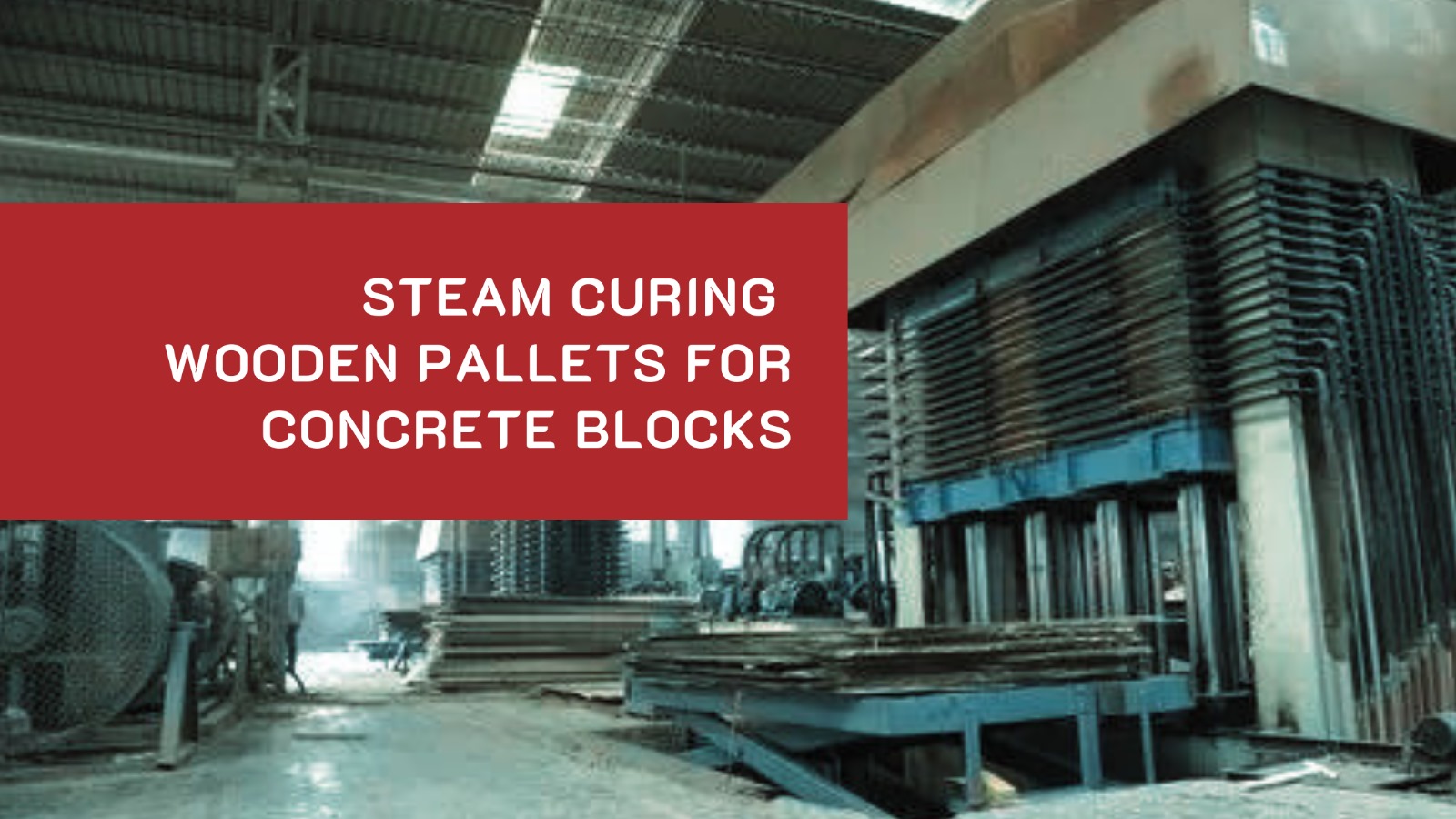
Steam Curing Wooden Pallet for Concrete Blocks (A Complete Guide)
Steam Curing Wooden Pallet for Concrete Blocks | A Complete Guide Home Steam Curing Wooden Pallet for Concrete Blocks (A Complete Guide) A steam curing wooden pallet is specially designed for the concrete block production process. It is used to load wet concrete blocks and place them in a curing chamber, where the blocks are treated with steam generated by a water boiler. This curing process strengthens the blocks and speeds up their hardening, making the steam curing wooden pallet an essential tool in concrete block manufacturing. Let’s dive deep Steam curing plays a vital role in the concrete industry, especially in the production of concrete blocks. It is a process where steam is used to accelerate the hardening of concrete by speeding up the hydration of cement. This not only saves time but also ensures the concrete achieves its desired strength and durability quickly. Steam curing is widely used in industries where large-scale production and high-quality results are essential. In this process, wooden pallets play an important role. These pallets are used to hold the wet concrete blocks during production and are then placed inside steam chambers for curing. Wooden pallets are preferred because they are durable, cost-effective, and handle the high heat and humidity of steam curing well. They ensure the blocks are properly supported throughout the process, contributing to consistent and uniform results. What is Steam Curing? Steam curing is a widely used method in the construction and concrete manufacturing industry to speed up the hardening process of concrete. Unlike traditional curing methods, where concrete is left to dry and strengthen naturally over several days or weeks, steam curing introduces controlled heat and moisture to accelerate the process. This approach is particularly helpful in industries where time efficiency and high production volumes are critical. In simple terms, steam curing involves placing freshly molded concrete products, such as blocks, bricks, or precast components, in a chamber or enclosure. Steam, generated by a water boiler, is then introduced into the chamber at specific temperature and humidity levels. The controlled environment created by the steam speeds up the chemical reaction that takes place when water interacts with cement, known as hydration. Let’s break this process down further. Explanation of the Steam Curing Process The steam curing process starts right after the concrete blocks or products are molded. These wet blocks are manufactured on pallets, often wooden ones, which make handling and stacking easier. The pallets, along with the wet blocks, are then transferred into a steam curing chamber or an enclosure designed to trap heat and moisture effectively. Inside the chamber, steam is gradually introduced. The temperature typically ranges between 50°C and 80°C, depending on the requirements of the concrete product. It’s important to control the temperature and humidity levels to ensure even curing and avoid issues like cracking. The steam penetrates the concrete, creating a warm and moist environment that accelerates the hydration process. This process can last anywhere from a few hours to a full day, depending on the size and type of blocks being cured. Once the curing process is complete, the blocks are cooled down gradually to avoid thermal shock, which could weaken their structure. They are then removed from the chamber, ready for stacking, transporting, or further use in construction. Steam curing is a carefully controlled procedure that ensures consistent quality and strength in every batch of concrete products. How Steam Curing Accelerates the Hydration of Cement To understand how steam curing works, it’s essential to know a bit about the hydration of cement. When cement comes into contact with water, a chemical reaction occurs, resulting in the formation of compounds that bind the concrete together and give it strength. This reaction is slow under normal conditions, often taking weeks to complete. Steam curing speeds up this process by providing the ideal conditions for hydration to happen more quickly. The heat from the steam raises the temperature of the concrete, which increases the rate of the chemical reaction. At the same time, the moisture from the steam ensures that the concrete doesn’t dry out prematurely, which could lead to cracks or incomplete hydration. By accelerating hydration, steam curing allows concrete to reach its desired strength in a fraction of the time it would take using traditional curing methods. This is especially beneficial in large-scale production facilities where time is of the essence. The accelerated hydration not only saves time but also enhances the early strength of the concrete, making it ready for handling, transportation, or further processing much sooner. Benefits of Steam Curing for Concrete Blocks Steam curing offers several advantages, making it a preferred method for manufacturing concrete blocks and other precast products. Here are some key benefits: Faster Production: One of the biggest advantages of steam curing is the significant reduction in curing time. Instead of waiting for days or weeks for the concrete to reach its desired strength, steam curing can achieve the same results in just a few hours. This allows manufacturers to produce more blocks in less time, increasing overall productivity and meeting tight deadlines. Improved Strength and Durability: The controlled environment of a steam curing chamber ensures consistent results. The even distribution of heat and moisture minimizes the risk of cracks or weak spots, resulting in stronger and more durable concrete blocks. This is crucial for products that will be used in construction, where safety and longevity are paramount. Energy Efficiency: While steam curing requires energy to generate steam, the process is still relatively efficient when compared to other high-temperature curing methods. The ability to produce high-quality concrete products quickly means less overall energy consumption per batch. Enhanced Surface Quality: Steam curing helps improve the surface finish of concrete blocks. The consistent hydration process reduces the appearance of imperfections and ensures a smoother, more uniform surface. This is particularly important for blocks that will be visible in the final construction. Better Control Over Production: With steam curing, manufacturers have greater control over the curing process. Temperature, humidity, and
Read More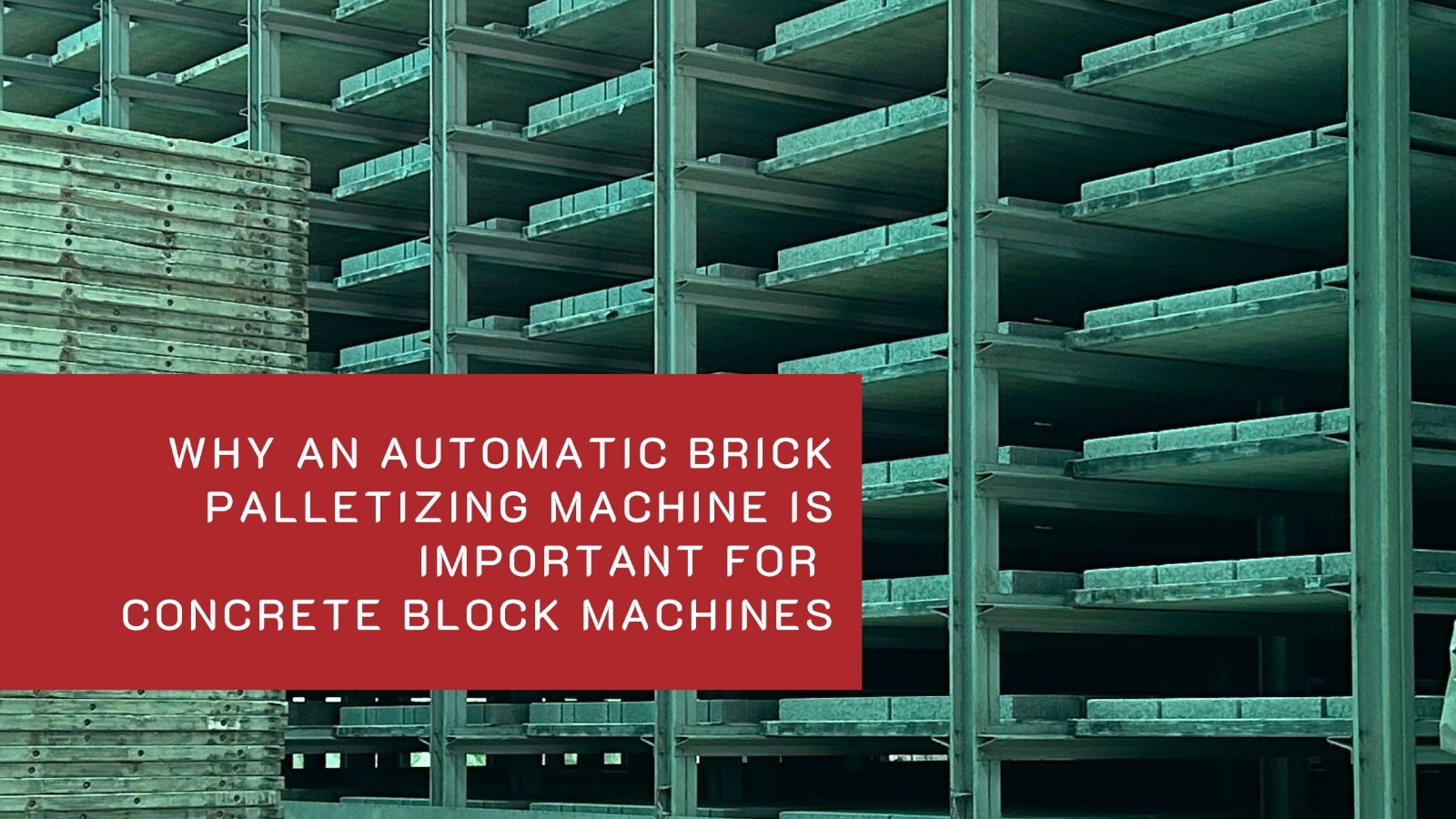
Why an Automatic Brick Palletizing Machine is Important for Concrete Block Machines
Why an Automatic Brick Palletizing Machine is Important for Concrete Block Machines Home Why an Automatic Brick Palletizing Machine is Important for Concrete Block Machines The world of manufacturing is constantly evolving, driven by technological advancements that enhance efficiency, safety, and product quality. One such innovation in the concrete block manufacturing industry is the automatic brick palletizing machine. This machine plays a crucial role in the production process, streamlining operations, reducing labor costs, and improving the overall quality of the finished product. In this blog, we’ll explore why an automatic brick palletizing machine is essential for concrete block machines, highlighting its benefits in efficiency, quality, cost-effectiveness, safety, and space optimization. Additionally, we’ll touch upon the importance of using premium-quality pallets like Rhino Fabrico hardwood pallets, designed to protect your concrete blocks and improve the overall palletizing process. What is an Automatic Brick Palletizing Machine? Before diving into the benefits, it’s important to understand what an automatic brick palletizing machine is and how it works. This machine is designed to automate the process of stacking concrete blocks onto pallets, which are then prepared for transport or storage. In the past, this task was done manually, requiring workers to carefully stack the bricks, one by one, onto a pallet. This process was not only time-consuming but also prone to human error and injury. An automatic brick palletizing machine, however, uses robotic arms, conveyors, and advanced sensors to automate the entire stacking process. The machine can efficiently place bricks in a predetermined pattern, optimizing space and ensuring uniformity. It is typically integrated with the concrete block production line, receiving blocks directly from the curing system or molding machine and stacking them onto pallets without human intervention. For even more efficiency, the use of high-quality pallets for brick production, such as Rhino Fabrico hardwood pallets, can enhance the durability and performance of the stacking process. These pallets are protected by resin-saturated interwoven industrial fabric, ensuring they can withstand the heavy weight of concrete blocks while maintaining their integrity over time. 1. Increased Efficiency in Production One of the most significant advantages of an automatic brick palletizing machine is its ability to dramatically increase production efficiency. Automation in brick stacking eliminates the need for manual labor, reducing the time it takes to stack and organize the blocks. A skilled worker can only manually stack a limited number of bricks in a given period, whereas an automated palletizing machine can handle the task much faster, without sacrificing quality. Moreover, an automatic palletizing system operates continuously, with minimal downtime. Unlike human workers who need breaks, the machine can run 24/7, maximizing output. In high-volume production environments, this continuous operation can lead to a significant boost in the number of concrete blocks produced within a given time frame. The ability to quickly move pallets through the system also improves the speed of the overall production cycle. The faster the bricks are stacked, the sooner they can be moved to the next stage, whether it’s curing, transport, or storage. This rapid workflow results in improved turnaround times, enabling manufacturers to meet tight deadlines and customer demands more effectively. 2. Improved Quality and Precision Another key advantage of using an automatic brick palletizing machine is the enhanced quality and precision it offers. Manual palletizing is susceptible to human error. Workers may misplace blocks, stack them unevenly, or fail to follow the correct stacking pattern, leading to inconsistencies in the final product. These inconsistencies can affect the stability and appearance of the finished product, which may not meet quality standards. An automatic palletizing machine, on the other hand, ensures consistent and uniform stacking. With precise control over the placement of each block, the machine guarantees that each pallet is stacked according to the correct pattern. This not only improves the overall look of the finished product but also ensures that the blocks are stacked securely, reducing the risk of damage during handling and transport. The Rhino Fabrico hardwood pallets, with their resin-saturated interwoven industrial fabric, further ensure that each block remains stable during transport and storage. These specially designed pallets protect the concrete blocks from abrasions, ensuring that they remain in top condition from production to delivery. By using an automated system in conjunction with high-quality pallets, manufacturers can achieve a higher level of product consistency. Each brick is placed with precision, maintaining the structural integrity of the blocks. This is especially important for industries where block stability and uniformity are critical, such as in the construction of buildings, roads, and infrastructure projects. 3. Cost-Effectiveness in the Long Run While investing in an automatic brick palletizing machine may seem expensive initially, the long-term cost savings make it a worthwhile investment for concrete block manufacturers. The primary cost-saving benefit comes from the reduction in labor expenses. With an automatic palletizing system, manufacturers can rely on fewer workers to perform the stacking task, freeing up human resources for other more value-added activities. Moreover, the risk of brick damage due to improper handling is minimized. In manual palletizing, workers may inadvertently drop or mishandle bricks, resulting in damaged or broken blocks. These damaged bricks must be discarded, leading to material waste and additional costs. With an automated system, the risk of damage is greatly reduced, ensuring that each brick is handled with care and minimizing wastage. Another long-term cost benefit comes from the machine’s ability to operate continuously. This reduces the need for overtime or shift changes, lowering operational costs. The machine’s efficient stacking process also means that fewer resources are required for transport and storage, as the pallets are optimized for space and stability. The use of Rhino Fabrico hardwood pallets, which are built to last and withstand the rigors of the manufacturing process, adds to the cost-effectiveness. These premium pallets reduce the need for frequent replacements, ensuring that your investment in materials is protected. Ultimately, the efficiency, precision, and durability of an automatic brick palletizing machine contribute to significant cost savings over time, making it a smart investment for manufacturers looking to improve their
Read More
How to Solve the Problem of Hollow Block Cracking
How to Solve the Problem of Hollow Block Cracking Home How to Solve the Problem of Hollow Block Cracking To solve hollow block cracking, it’s essential to prevent future issues while effectively repairing existing ones. This can be achieved by using high-quality materials, ensuring proper curing, and applying suitable repair methods like epoxy injection or stitching. Cracks in hollow bricks primarily occur due to improper compaction during manufacturing. Factors such as inadequate vibration, subpar raw materials, or poor concrete mixing contribute to this problem. Hollow blocks are a popular choice in construction because of their lightweight nature, cost-effectiveness, and ability to provide excellent thermal insulation.These blocks are commonly used for walls, partitions, and other structural elements in buildings. However, despite their many benefits, hollow blocks can sometimes develop cracks over time, which can become a significant concern for property owners and builders. While it might seem like a minor issue at first, these cracks can compromise the structural safety and visual appeal of a building if left unchecked. Addressing hollow block cracking is essential to maintaining the strength, durability, and overall aesthetics of any structure. Common Causes of Hollow Block Cracking Hollow block cracking can occur due to several common causes, each impacting the strength and durability of the structure. One primary factor is the use of low-quality cement or incorrect mix ratios during production, which can weaken the blocks and make them more prone to damage. Improper curing, where the blocks are not kept moist for the required period, can also lead to weak blocks that are susceptible to cracking. Additionally, exceeding the weight capacity of hollow blocks or placing excessive pressure on walls can cause stress fractures. Environmental factors, such as temperature fluctuations causing expansion and contraction, further contribute to cracking. Finally, foundation issues like poor soil conditions or uneven settlement can lead to instability, putting pressure on the blocks and causing them to crack over time. Material Issues: Low-Quality Cement or Improper Mix Ratios One of the primary causes of cracking in hollow blocks is the use of low-quality cement or an improper mix ratio of the ingredients used in manufacturing the blocks. Cement plays a crucial role in binding the materials together, and when substandard cement is used, it can lead to weak blocks that are more susceptible to cracking. Similarly, if the mix ratio of cement, sand, and aggregates isn’t accurate or consistent, it can affect the block’s strength and durability. An imbalance in the mix can result in either too much moisture or a lack of bonding strength, both of which can contribute to cracks forming as the block cures and ages Manufacturing Issues: Poor Vibration Transmission or Mould Fitting Problems Vibrations are used to remove air bubbles in the fresh concrete while it is still wet in the manufacturing process. This is because air bubbles weaken the concrete blocks’ structural integrity which can lead to cracking in the future. Uneven vibration transmission through the production board can leave air bubbles in the fresh concrete which will eventually lead to cracking, even though they may look acceptable on the outside and may have been cured properly. Another way air can enter the hollow concrete blocks is if the mould is not fitted properly. Loose or low locking pressure in the moulds can lead to poorly compacted concrete blocks which would eventually crack. Improper Curing: Lack of Adequate Curing Leading to Weak Blocks Curing is an essential process that allows the cement in hollow blocks to gain its full strength and durability. If curing is not done properly, the blocks may remain weak and prone to cracking. Typically, hollow blocks require 7 to 14 days of curing, where they need to be kept moist for a period of time to ensure proper hydration and hardening of the cement. Insufficient curing due to factors like improper moisture retention or a rushed construction timeline can leave blocks vulnerable to early cracking, especially when they are subjected to stress or environmental changes. Structural Overload: Exceeding the Weight Capacity of Hollow Blocks Hollow blocks are designed to handle certain load-bearing capacities, and exceeding these limits can cause cracks. Overloading can occur due to the addition of excessive weight on the blocks, such as placing heavy equipment, structural elements, or furniture against walls made of hollow blocks. This added pressure can lead to stress fractures and cracks. It’s crucial to ensure that hollow blocks are used within their intended structural limits and that any load-bearing walls are appropriately reinforced to avoid the risk of cracking and weakening over time. Environmental Factors: Expansion and Contraction Due to Temperature Changes Hollow blocks, like many other building materials, are susceptible to temperature changes. As the blocks expand and contract with fluctuations in temperature—particularly in areas with extreme weather—stress is created within the material. This continuous expansion and contraction can lead to hairline cracks, which can grow larger over time. Factors like high humidity, freezing and thawing cycles, and direct exposure to sunlight can exacerbate this issue. Environmental stress makes it essential for builders to choose blocks that are designed to withstand the specific climatic conditions of the area where the construction is taking place. Foundation Issues: Poor Soil Conditions or Uneven Settlement The stability of the foundation on which hollow blocks are placed plays a significant role in preventing cracking. If the soil underneath the foundation is unstable or prone to uneven settlement, it can cause the building to shift and lead to cracks in the walls made from hollow blocks. Poor soil conditions, such as expansive clay or loose, sandy soil, can cause the foundation to move over time, putting pressure on the walls above. Uneven settlement, where parts of the foundation sink or rise at different rates, can lead to stress on the blocks, resulting in cracks. Proper foundation design and soil testing are essential to avoid these issues and ensure the long-term stability of the structure. Effects of Cracking in Hollow Blocks Cracking in hollow blocks can lead
Read More
Pallets that are a steal, not steel
steel pallets for concrete block machines holding you back? Home Pallets that are a steal, not steel When it comes to selecting pallets for your concrete block machines, you want to ensure that your investment yields the best result in the long term – long-lasting production boards that cause minimal production disruption. The choice often boils down to steel pallets for concrete block machines or wooden ones. While both have their merits, the RHINO hardwood composite pallets have emerged as a compelling alternative, offering several advantages over traditional steel pallets. Price: One of the most significant benefits of RHINO hardwood pallets is their affordability. Compared to steel pallets, RHINO pallets are substantially cheaper, making them a more cost-effective option for businesses of all sizes. Surface renewability: RHINO hardwood pallets for concrete block machines can be sanded up to three times to create a smooth surface. Steel pallets, however, cannot be resurfaced, limiting their versatility. Board refurbishment: At the end of their lifespan, our pallets can be sent back to the factory for complete renovation and resurfacing. This process extends their service life significantly, saving money in the long run, reducing waste and minimising environmental impact. We even offer the same warranty as we would offer for a new board. Deflection and flatness: RHINO pallets are known for their exceptional flatness and resistance to deflection. Even after years of continuous use, RHINO pallets maintain their shape, ensuring the uniformity of concrete blocks and pavers. In contrast, steel pallets for concrete block machines can experience significant deflection and warping over time, compromising the integrity of concrete blocks. Rusting: Unlike steel pallets, which are prone to rusting, RHINO hardwood composite pallets are completely rust proof. This is particularly important in environments with high humidity or exposure to corrosive substances. Conveyor system and machine handling: The abrasive nature of steel pallets can cause damage to conveyor systems and other machinery, reducing their overall lifespan. RHINO pallets, on the other hand, are gentler on equipment, leading to lower maintenance costs and increased efficiency. Noise: Steel pallets can generate a significant amount of noise during handling and transportation. This can be a nuisance in workplaces and can also contribute to hearing fatigue among employees. RHINO pallets, on the other hand, are much quieter, creating a more pleasant working environment. Finger car lifespan: The heavier weight of steel pallets can limit the capacity of finger cars, reducing the number of blocks that can be transported per journey. RHINO pallets, which are significantly lighter than steel pallets, allow for the design of more efficient finger car systems with higher capacities. In conclusion, it is a no-brainer to switch to RHINO hardwood composite pallets for concrete block machines when compared to expensive traditional steel pallets. They are affordable, durable, resistant to rust and last just as long (if not longer) as steel pallets. By considering these factors, businesses can decide which pallet type best suits their specific needs. SUMMARY Feature RHINO Hardwood Pallets Steel Pallets Price Affordable Very expensive Deflection Minimal deflection More deflection. Flatness Stay flatter for longer than steel Don’t stay flat for as long Rust No rusting Rusting is normal Machine abrasion Minimal abrasion of block machine Constant abrasion of block machine which reduces overall age of the complete system Noise pollution Minimal noise created Creates noise pollution Surface renewability Our pallets can be sanded in-house and renewed up to 3 times to create a smooth surface and extend pallet life Cannot be renewed and must be recycled Board refurbishment Our pallets can be sent back to the RHINO factory for complete renovation, resurfacing and re-laminating at a fraction of the cost of new pallets Cannot be refurbished. Client is forced to sell as scrap for pennies. Finger car capacity Lighter than steel and therefore can carry more blocks power journey Double the weight of our pallets and limit capacity of finger car Tags:English, Technical Specification
Read More