 +614 2193 1745
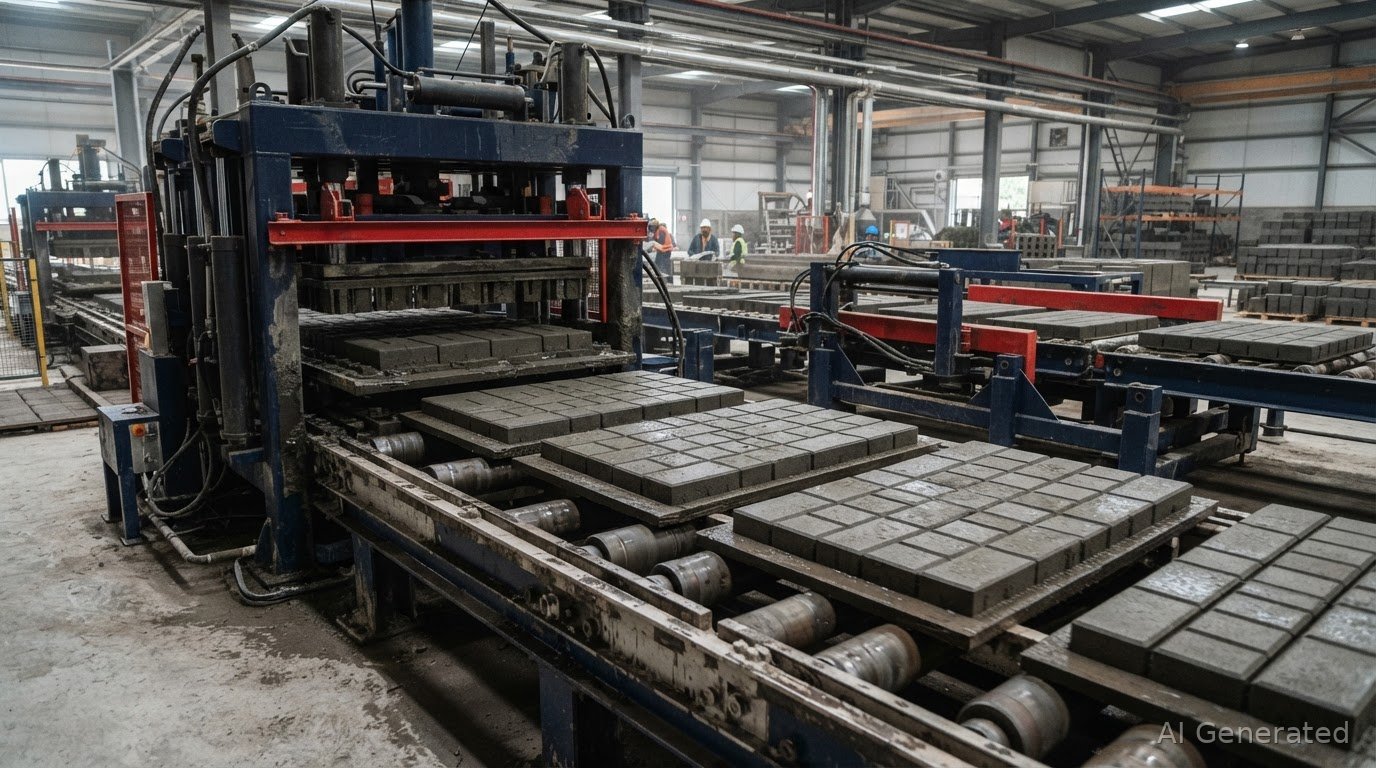
Pallets for High-Frequency Vibration Block Machines: Guide
A pallet that performs well on one production line may not fit another, even when both machines run at a similar frequency. Choosing pallets for high...
Read More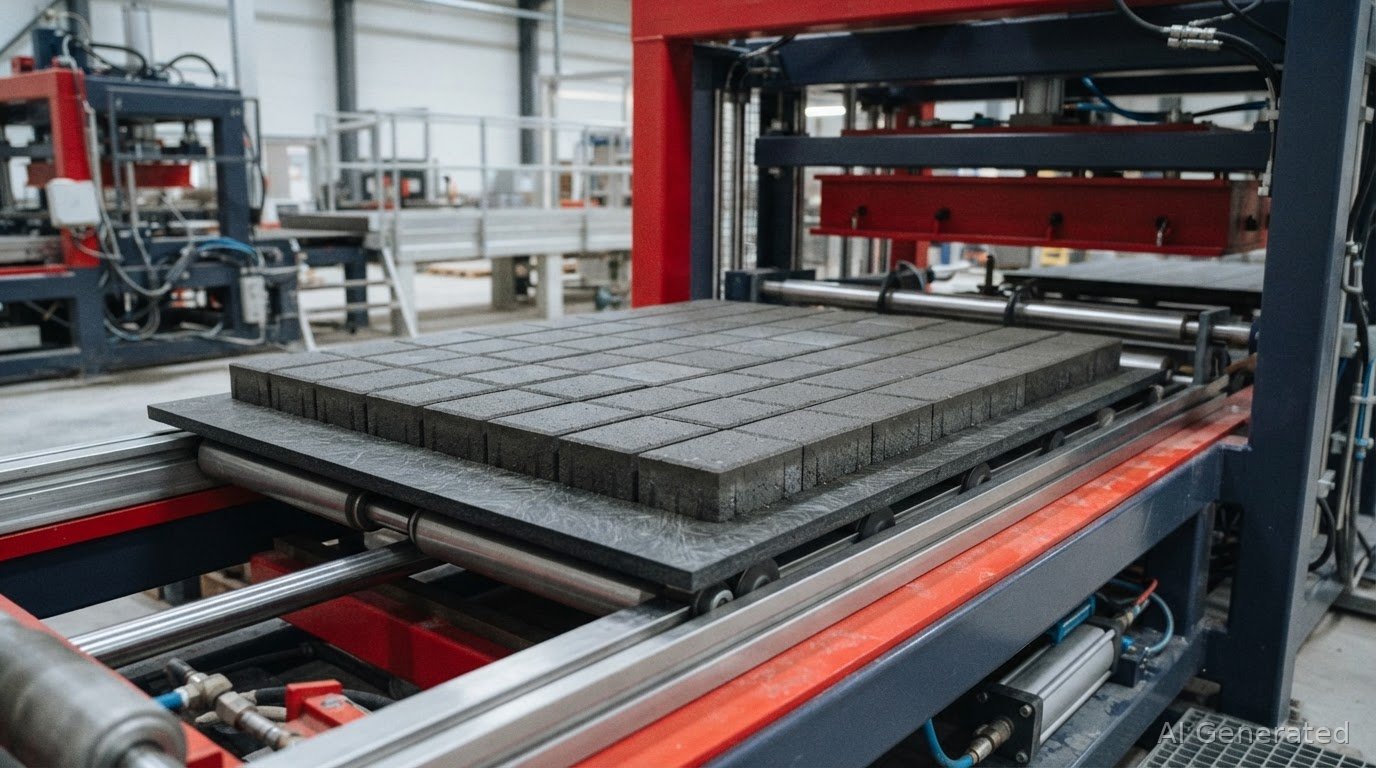
Concrete Block Pallet Specifications: An Engineering Reference
A pallet can be dimensionally correct on paper and still be wrong for the machine. Pallets for Concrete block manufacturing specifications need to...
Read More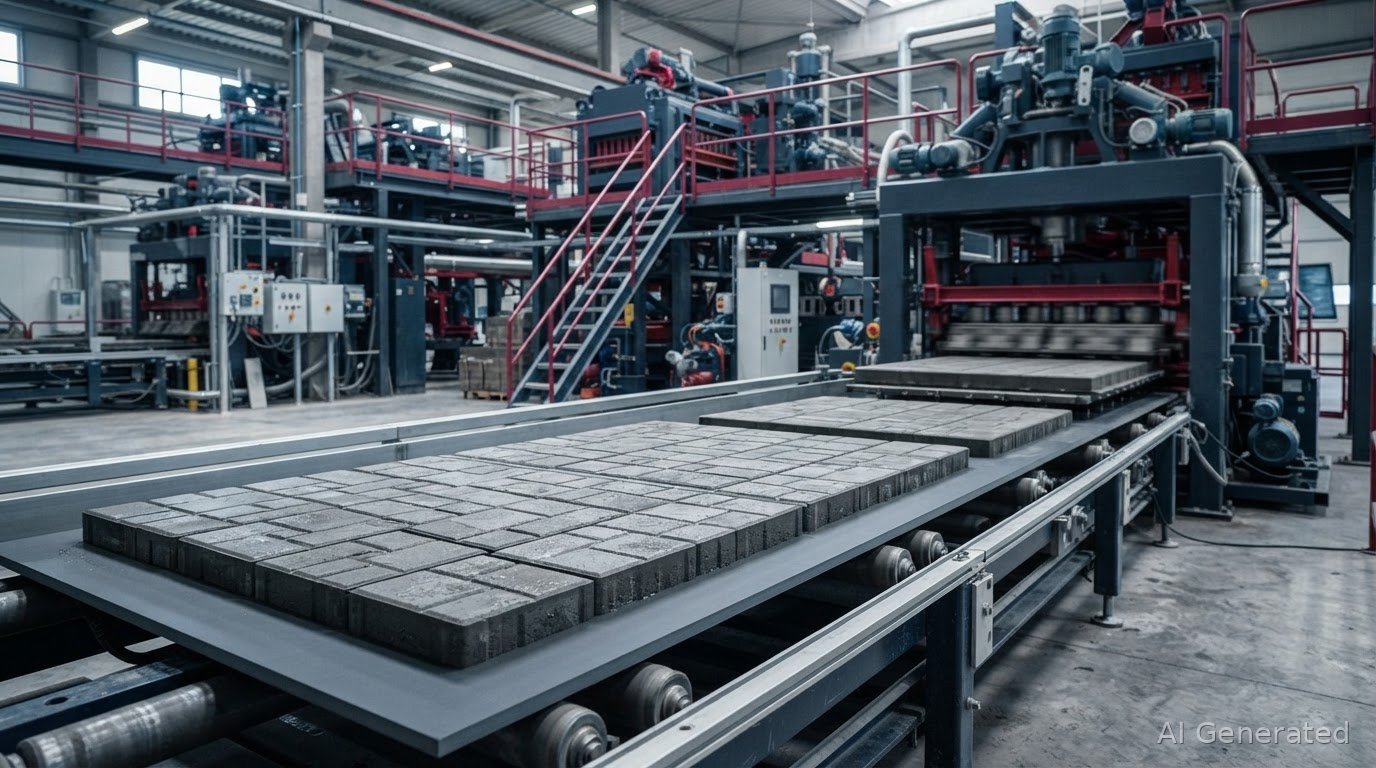
Composite Pallets for Concrete Block Machines: Buyer’s Guide
Will composite pallets for concrete block machines work with your press, transfer system, and production routine, or create a new point of friction?...
Read MoreHow to make our Pallets for Concrete block machine last longer
In your factor’s efficiency and profitability, every component of your production line plays a role in your concrete block manufacturing plant. While machinery, mixing design, moulding technology often get the limelight, there’s one element that takes daily ill-use and still plays a basic role in every cycle: the production pallet, also referred to as the production board for concrete block machine. These pallets are the exteriors on which your concrete blocks are made, vibrated, and transported during production. They undergo automatic vibration, concrete residue, moisture, and repeated handling—often heaps of times per day. Pallets for concrete block machines, are made to last, but can wear down ahead of time if not properly maintained. Luckily, one simple machine that can unimaginably increase their working life while reducing downtime and maintaining product quality: The Brushing machine How maintenance of pallets for concrete blocks is significant Concrete block machine pallets face excessive kinds of different conditions. During each cycle, concrete residue and cement paste stick to their surfaces. This residue doesn’t just affect cleanliness—it leads to: Over the time period, even small amounts of debris can cause alignment issues and surface imperfections on your finished blocks. If neglected, these issues can cause premature wear and tear of the production boards, affecting both output quality and operational efficiency. Maintaining clean pallets isn’t just a superficial concern—it directly effects your production quality, equipment longevity, and operating costs. The Brushing Machine: A straightforward incorporation with big benefits To maintain the condition of pallets used in concrete block machines, the most efficient solution is to install a brushing machine in your production line. What is a Brushing Machine? A brushing machine is a compressed, mechanised cleaning unit placed after the block removal station. As each production board exits the cycle, it passes through the brushing machine where firm and durable brushes remove stuck-on concrete particles, dust, and fines from the surface. This ensures that each pallet returns to the start of the cycle clean and ready for the next batch, without causing any disruption or delay in the workflow. Crucial advantages of using a Brushing Machine 1. Increases Pallet Life Regular cleaning removes coarse particles that grind into the pallet surface over time. This reduces wear and increases the usable lifespan of each pallet. 2. Enhances Block Quality Clean pallets allow for better compaction and consistent shape, preventing imperfections caused by uneven surfaces. 3. Reduces Interruptions A clean production board moves smoothly through the line, reducing the chance of jams, sticking, or machine misalignment. 4. Minimises Labor Costs Manual cleaning is time-consuming, inconsistent, and often skipped. An automatic brushing machine eliminates the need for manual scraping or washing, reducing labor hours and human error. 5. Cleaner Working surroundings Less debris in the production area helps in improved safety and housekeeping standards—especially main in high-speed automated plants. Exceptional Offer: with every 3,000 Pallet bought a Free Brushing Machine To support our customers in improving their maintenance practices, CompositePallet.com is currently offering a free brushing machine with the purchase of 3,000 pallets. We are making this investment because we have seen firsthand how much of a difference proper maintenance can make in extending the lifespan of production boards. This offer is designed to help you: Whether you’re setting up a new plant or replenishing your current pallet stock, this is an opportunity to add long-term value to your operation at no extra cost. Why choosing the right Production Board still matters While regular cleaning can significantly improve performance, it’s also important to select the right type of pallet for your concrete block machine. Factors such as board thickness, material (wood, PVC, steel, or composite), weight, and vibration absorption characteristics will influence how well your pallet performs in your specific machine. At CompositePallet.com, we manufacture high-strength composite pallets designed for modern block production lines. However, regardless of the board material you choose, regular cleaning remains essential to prevent wear and maintain consistent production output. Additional Tips to Extend Pallet Life Along with working a brushing machine, here are various other best implementations to help extend the life of your production boards: 1. Consistent Visual Inspection Check pallets daily for cracks, chips, delamination, or edge damage. Damaged pallets should be removed from circulation to prevent block defects or machine wear. 2. Accurate Storage Store unused pallets in a dry, shaded area, away from direct sunlight, water and extreme temperatures. Exposure to the elements can degrade most pallet materials over time. 3. Gentle Operating Avoid dropping pallets or stacking them unevenly. Use forklifts with soft- touch grips or padded forks when moving large stacks. 4. Rotate Production Boards Evenly rotate pallets through different areas of the production line to ensure balanced wear across your inventory. 5. Periodic Deep Cleaning In addition to daily brushing, plan regular deep cleaning (depending on volume and type of concrete mix used) to remove hardened build-up or debris or dust. Real-World Results: what manufacturers are grasping Manufacturers who introduced brushing machines into their lines have reported: An adequate investment in automation can help protect far more expensive machinery and moulds from untimely wear. Conclusion: A wholesome pallet is a profitable pallet Pallets or production boards are the unsung heroes of every concrete block plant. Without them, there is no product—and if they’re not maintained properly, there is no efficiency either. Adding a brushing machine is a simple, Its cost-effective way to ensure that your pallets remain in pinnacle condition. By reducing surface wear and keeping boards clean, you not only extend their life but also protect your machines, improve block quality, and reduce production downtime. Avail Advantage of Our Offer If you’re planning to purchase or replenish your pallets for concrete block machines, now is the ideal time. With every order of 3,000 pallets, you’ll receive a brushing machine absolutely free—designed to help you get more from every board you use.
Read More
Which Machine Is Used for Block Making? A Complete Guide for Beginners
The global demand for concrete blocks and pavers continues to grow rapidly due to urbanisation, infrastructure expansion, and the move toward sustainable construction. At the heart of this booming industry lies one crucial question: which machine is used for block making? Whether you’re new to concrete production or considering upgrading your current setup, understanding the different types of block-making machines and their functions is essential. In this article, we break down the types of machines used for block production, their features, and how to choose the right one for your business. What Is a Block Making Machine? A block making machine, also known as a concrete block machine or brick making machine, is a piece of industrial equipment that moulds concrete into uniform blocks, bricks, or pavers. These machines use cement, sand, water, and aggregate to produce solid or hollow blocks that are used in construction projects around the world. The machines vary in size, automation level, and production capacity. Some are manual, ideal for small-scale production, while others are fully automated and capable of producing thousands of blocks per hour. Main Types of Block Making Machines 1. Manual Block Making Machines Manual machines are operated by hand and are typically used in smaller operations or in areas with limited access to electricity or capital investment. They require more labour and have lower production output, but are affordable and easy to maintain. Ideal for: Small businesses Rural construction Entry-level operations 2. Semi-Automatic Block Making Machines Semi-automatic machines combine manual control with mechanical or hydraulic assistance. They increase productivity compared to manual machines and reduce labour requirements, but still require some human involvement in block transfer or pallet handling. Key Features: Hydraulic or mechanical pressing Partial automation for moulding or vibration Medium production capacity Ideal for: Medium-sized businesses Growing production needs Budget-conscious upgrades 3. Fully Automatic Block Making Machines Fully automatic machines are advanced systems that handle the entire block production process with minimal human intervention. They include automated mixing, mould filling, vibration, compaction, and ejection onto production pallets. These machines are equipped with programmable logic controllers (PLC) for high precision and efficiency. Benefits: Consistent block quality High production output Labour cost savings Seamless integration with other equipment (mixers, stackers, curing chambers) Ideal for: Large-scale concrete producers High-demand urban projects Exporters and contractors Specialized Block Making Machines While standard concrete block machines are incredibly versatile, specialized block making machines are designed to meet specific needs and production goals. These machines go beyond general hollow or solid block production to manufacture products like interlocking blocks, paving stones, and more — with precision, consistency, and efficiency. Here’s a deeper dive into some of the most common specialized machines used in the industry: 1. Paver Block Machines Paver block machines are tailored for producing high-density, aesthetically pleasing blocks used in driveways, walkways, and patios. They often incorporate: High-pressure vibration and compaction systems to ensure smooth surface finishes. Color mix hoppers for layered or decorative finishes. Specialized moulds that allow the production of zigzag, hexagonal, I-shape, and other interlocking paver shapes. These machines are ideal for businesses focused on landscaping, municipal paving, or decorative concrete products. 2. Interlocking Block Machines Interlocking block machines produce blocks with tongue-and-groove or dovetail joints that “lock” into each other during installation — reducing the need for mortar and making them ideal for fast construction. Common applications include: Load-bearing walls in low-cost housing projects. Retaining walls and garden features Disaster-relief shelters due to quick setup and minimal resources required. Some machines in this category are even mobile, allowing on-site block production for remote or large-scale construction projects. 3. Curbstone Machines Designed for road infrastructure projects, curbstone machines manufacture concrete kerbs or curbs in various profiles. These machines: Use high compaction force and hydraulic pressing to achieve the durability needed for roadside conditions. May offer tilting mechanisms for easy demolding of tall or uniquely shaped curbstones. They are commonly used by municipalities, civil engineers, and road construction companies. 4. Hydraulic Press Machines for High-Strength Products Some projects require blocks or pavers with very high compressive strength. Specialized hydraulic press block machines: Apply up to 300 tons of pressure, far more than standard vibration systems. Create ultra-dense, wear-resistant blocks suitable for heavy-load applications like industrial yards or shipping ports. These machines are often integrated into automated lines with curing chambers and palletizing robots for large-scale operations. 5. Multi-Layer Machines Multi-layer machines lay down blocks layer by layer directly on the factory floor — rather than on individual pallets. This allows: Extremely high output rates. Reduced reliance on pallets (ideal for cost savings over time). Simplified curing and stacking processes. Though they offer massive productivity, these machines are best suited for very large production facilities with the necessary space and infrastructure. 6. Egg-Laying Block Machines Named for their mobile, self-propelled design, egg-laying machines “lay” blocks directly onto the ground as they move. These are ideal for: On-site production in developing regions. Small to medium operations with limited budget or space. Making hollow or solid blocks without the need for heavy pallet handling systems. While they sacrifice some precision compared to stationary machines, their portability and simplicity make them a strong choice for some use cases. By understanding and selecting the right specialized block making machine, manufacturers can maximize output, tailor production to market needs, and maintain consistent quality. Key Components of a Block Making Machine Regardless of type, most block making machines include: Mixing Unit – Where raw materials are combined Feeder Hopper – Delivers the concrete mix to the mould Mould & Die System – Shapes the block Vibration System – Compacts the mix for consistency Hydraulic or Mechanical Press – Applies force to solidify the block Pallet Feeder – Places production pallets for block transfer Conveyor or Stacker – Moves finished blocks to the curing area Choosing the Right Block Making Machine for Your Needs The right machine for your business depends on a few key factors: Production Volume: Are you producing blocks for a small project, or supplying to
Read More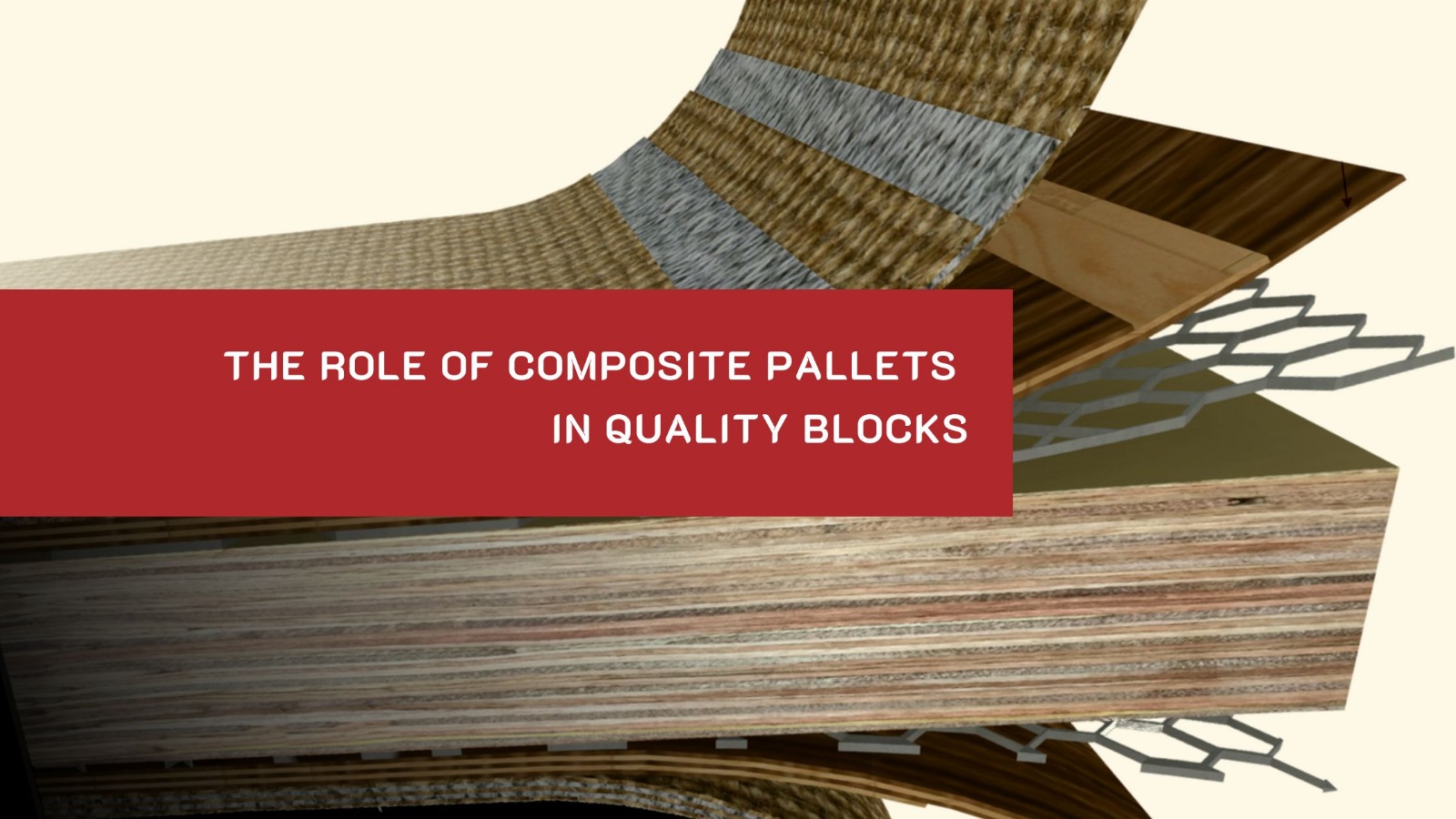
The Role of Composite Pallets in Quality Blocks
The Role of Composite Pallets in Quality Blocks Home The Role of Composite Pallets in Quality Blocks Are composite pallets a good choice for block-making machines? The short answer—absolutely! Composite pallets offer superior durability, consistency, and efficiency in the production of high-quality concrete blocks. Let’s dive into the details to understand why they are becoming a preferred option in the industry. Why Composite Pallets Matter for Quality Blocks Block-making is a precision-driven process where every element—molds, curing time, and handling—affects the final product. The type of pallet used plays a crucial role in ensuring block stability, shape, and overall quality. Composite pallets, made from a blend of materials like plastic and fiberglass, have emerged as a game-changer in this space. 1. Unmatched Durability and Longevity One of the biggest advantages of composite pallets is their extreme durability. Unlike wooden pallets, which can crack, or steel pallets, which can rust, composite pallets are built to last. They resist wear and tear, making them an ideal long-term investment for manufacturers aiming for consistent performance. Composite pallets can withstand thousands of production cycles without deforming, making them a cost-effective choice over time. They don’t warp, bend, or splinter, ensuring smooth handling throughout the production process. 2. Consistency in Block Production When making concrete blocks, even minor variations in the production surface can lead to inconsistencies. Composite pallets offer a uniform, joint-free, flat surface, ensuring each block is perfectly shaped and meets quality standards. The evenness of composite pallets prevents unwanted block deformation, reducing rejection rates and improving overall production efficiency. This is especially crucial for manufacturers supplying large-scale construction projects where precision is key. 3. Resistance to Moisture and Chemicals Unlike wood, which absorbs moisture and can deteriorate over time, composite pallets are non-porous. They are moisture resistant, which means they are less likely to swell or weaken in humid conditions. Additionally, composite pallets are resistant to chemicals used in the block-making process. Cement, curing agents, and other substances won’t degrade the surface, ensuring a longer lifespan and fewer maintenance issues. 4. Low Maintenance and Easy Cleaning Steel pallets require regular maintenance to prevent rust, and wooden pallets need repairs when they crack or break. Composite pallets, on the other hand, require minimal upkeep. Their smooth, non-stick surface makes them easy to clean, preventing concrete buildup and ensuring a hygienic production environment. A simple rinse with water is often enough to keep them in top condition, saving time and labor costs. 5. Lightweight Yet Strong Despite their durability, composite pallets are significantly lighter than steel pallets. This makes handling easier for workers and reduces strain on machinery, leading to smoother operations and lower transportation costs. Their high strength-to-weight ratio ensures they can handle heavy loads without bending or breaking, making them a practical choice for high-capacity block-making units. 6. Enhanced Curing Process The curing phase is crucial for achieving high-quality concrete blocks. Composite pallets help maintain optimal curing conditions by preventing excessive heat absorption or moisture loss. Unlike steel, which can get excessively hot and impact the curing process, composite pallets provide a more stable environment, resulting in stronger and more durable blocks. This ensures that the final product meets industry standards for compressive strength and longevity. 7. No Rust or Corrosion Issues Rust is a major concern with steel pallets, especially in humid environments or factories exposed to moisture. Composite pallets completely eliminate this problem. Since they don’t corrode, composite pallets maintain their structural integrity over time, ensuring a smooth production process without the need for protective coatings or anti-rust treatments. 8. Customization for Different Machine Types Composite pallets can be manufactured in various sizes, thicknesses, and specifications to match different block-making machines. Whether you’re using automatic, semi-automatic, or manual block machines, composite pallets can be tailored to fit your exact needs. This flexibility allows manufacturers to optimize their operations without making major modifications to their equipment. 9. Eco-Friendly and Sustainable Choice With increasing emphasis on sustainability, composite pallets offer an environmentally friendly alternative to traditional materials. Many composite pallets are made from recycled plastic and fiberglass, reducing waste and promoting responsible manufacturing practices. Additionally, their long lifespan reduces the need for frequent replacements, minimizing resource consumption over time. Manufacturers looking to enhance their sustainability efforts can benefit from switching to composite pallets. 10. Cost-Effective in the Long Run While composite pallets may have a higher initial cost compared to wooden or steel pallets, they offer significant savings in the long run. Their extended lifespan, reduced maintenance requirements, and lower rejection rates contribute to overall cost efficiency. Manufacturers who invest in composite pallets often experience fewer disruptions, lower replacement costs, and a higher return on investment over time. Challenges and How to Overcome Them While composite pallets offer numerous benefits, they come with a few considerations. Here’s how to address them: 1. Higher Initial Cost View composite pallets as a long-term investment rather than a short-term expense. Factor in reduced maintenance, durability, and efficiency to justify the cost. 2. Limited Availability in Some Regions Partner with reliable suppliers who offer quality composite pallets. Explore local manufacturers or import options for better availability. 3. Need for Proper Handling to Maximize Lifespan Train workers on correct pallet handling techniques. Avoid unnecessary dropping or dragging to maintain structural integrity. Final Thoughts Composite pallets play a crucial role in producing high-quality concrete blocks. Their durability, consistency, resistance to moisture, and ease of maintenance make them a superior choice for block manufacturers looking to optimize their production process. Although the initial investment may be higher, the long-term benefits—fewer replacements, lower maintenance costs, and improved block quality—make composite pallets a smart choice for forward-thinking manufacturers. If you’re in the block-making industry and want to enhance efficiency while maintaining top-tier product quality, composite pallets are worth considering. They’re strong, reliable, and designed to withstand the demands of modern concrete block production. Upgrade your pallets, and you’ll see the difference in your output and profitability!
Read More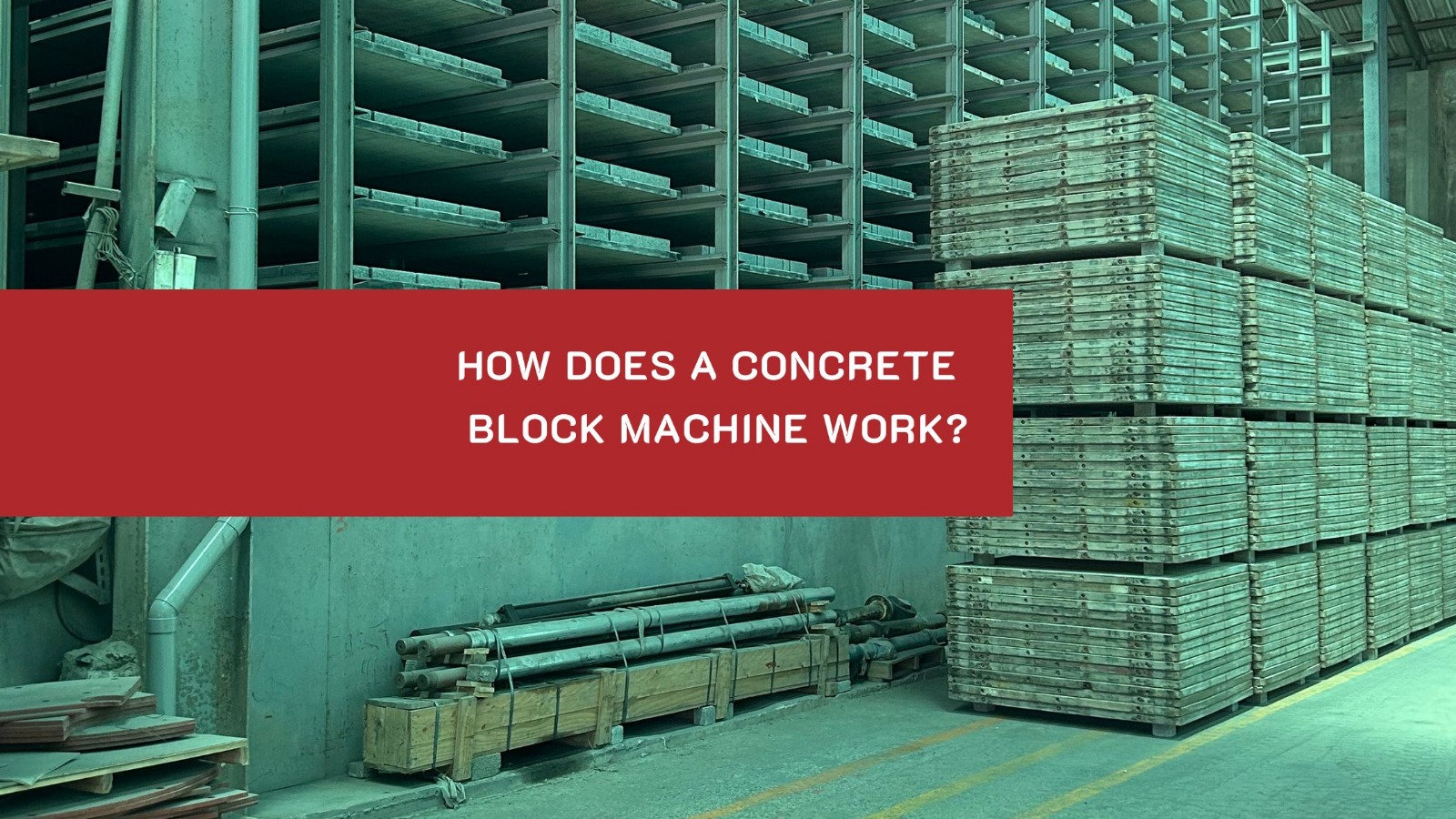
How Does a Concrete Block Machine Work?
How Does a Concrete Block Machine Work Home How Does a Concrete Block Machine Work? Ever wondered how those solid concrete blocks used in construction are made? The process might seem complex, but it’s actually a well-orchestrated combination of vibration, compression, and precision. In simple terms, a concrete block machine takes raw materials, shapes them into blocks, and ensures they are strong enough to be used in construction. At Rhino Composite Pallets, we don’t sell block-making machines, but we do provide high-quality composite pallets that play a crucial role in making this process smoother and more efficient. Now, let’s dive into how these machines work! The Step-by-Step Process of a Concrete Block Machine 1. Mixing the Raw Materials Every good concrete block starts with the right mixture. The machine uses a combination of cement, aggregates (like sand or crushed stone), and water. These ingredients are mixed thoroughly to get a uniform, workable consistency. The quality of this mix determines how strong the blocks will be. 2. Feeding the Hopper Once the mixture is ready, it’s poured into the hopper of the machine. The hopper acts as a storage unit that ensures a steady flow of material into the molds. 3. Filling the Molds The concrete mix is then fed into block molds. These molds define the shape and size of the blocks. The more precise the mold, the better the final product. To ensure an even fill, the machine vibrates the mix, helping it settle properly into every corner of the mold. 4. Vibration and Compression – The Key to Strength Here’s where the magic happens! Once the molds are filled, the machine applies intense vibration and compression. This step removes any air pockets and ensures the blocks become compact, dense, and durable. The vibration also helps distribute the mix evenly. 5. Ejecting the Blocks After the compression, the machine carefully lifts the mold, leaving behind freshly shaped concrete blocks. These blocks are now strong enough to hold their shape but still need time to cure. 6. Curing the Blocks Freshly made blocks are placed on production pallets (like the durable composite pallets from Rhino) and left to cure. Curing is essential because it allows the cement to harden fully, giving the blocks their final strength. Depending on the type of block and the curing method used, this process can take anywhere from 24 hours to several days. Why Composite Pallets Matter in This Process While the machine does most of the heavy lifting, the pallets used in production play a crucial role. Rhino Composite Pallets are designed to handle the intense vibration and weight of fresh concrete blocks without warping or breaking. Unlike wooden or steel pallets, composite pallets: Don’t absorb moisture, preventing warping and bacterial growth. Are highly durable, reducing breakage and replacement costs. Provide a smooth, even surface for block curing, ensuring uniform quality. Different Types of Concrete Block Machines Block-making machines come in different types based on automation levels. While we won’t name specific brands, here’s a breakdown of the types you’ll find in the market: Manual Block-Making Machines Require human effort to load materials, operate the vibration, and remove blocks. Suitable for small-scale operations. Lower production capacity but cost-effective for startups. Semi-Automatic Block-Making Machines Partially automated, requiring some manual intervention. Higher production capacity than manual machines. Ideal for mid-sized block manufacturers. Fully Automatic Block-Making Machines Operate with minimal human intervention. High production efficiency and consistency. Best suited for large-scale block production businesses. Regardless of the type, every machine benefits from using high-quality production pallets. That’s where Rhino Composite Pallets make a difference! How Have Block-Making Machines Evolved Over Time? The process of making concrete blocks has come a long way. Early methods involved manually filling molds and allowing them to air dry. Today, automated machines can produce thousands of blocks per hour with precision, ensuring uniform size, shape, and durability. Modern advancements include: Improved Vibration Technology – Ensuring denser, stronger blocks. Energy-Efficient Operations – Reducing production costs. Customizable Molds – Allowing for different shapes and sizes. But one thing has remained constant— the need for strong, durable pallets to support the process. That’s why composite pallets have become the preferred choice over traditional wooden and metal alternatives. Why Choose Rhino Composite Pallets for Your Block-Making Business? Rhino Composite Pallets aren’t just another pallet option—they’re designed to solve real industry problems: High Durability – Lasts longer than wood or plastic pallets. Moisture & Chemical Resistance – No swelling, rotting, or corrosion. Minimal Maintenance – Reduces long-term costs. Precision in Production – Ensures even curing and high-quality blocks. If you’re in the block-making business, investing in the right pallets is just as important as choosing the right machine. Want to improve your production process? Rhino Composite Pallets have got your back! Final Thoughts Concrete block machines work by mixing, molding, vibrating, and curing concrete to create strong, durable blocks. While the machine itself is crucial, the production process is only as good as the materials and pallets used. Choosing high-quality composite pallets ensures a smoother, more efficient production cycle with fewer interruptions. So, whether you’re a small manufacturer or a large-scale producer, upgrading to Rhino Composite Pallets can make all the difference in block quality and overall efficiency. Ready to take your production to the next level? Let’s talk pallets! https://youtu.be/szmWDI2l9iQ
Read More
Kerb Stone Guide
Introduction to the Kerbstone guide Ever walked down a street and noticed those sturdy little barriers lining the road? Yep, those are kerbstone (or just kerb/curb, depending on where you are in the world) the unsung heroes of urban planning! They keep roads organized, protect sidewalks, and even help with drainage. But there’s a lot more to kerbstones than just being a roadside boundary. In this blog, we’re diving deep into everything you need to know about kerbstones—types, materials, uses, installation, pricing, and even sustainability. Whether you’re a contractor, architect, or just a curious soul who likes knowing how things work, this guide has got you covered. Let’s get started! What is a kerbstone? A kerbstone creates a solid edge along roads, pavements, and parking lots. It acts as a boundary that separates roads from sidewalks, protects pedestrians, and directs water drainage effectively. You can think of a kerbstone as the guardian of the streets. It prevents vehicles from moving onto footpaths, controls water flow to reduce flooding, and gives urban spaces a clean, finished appearance. Manufacturers produce kerbstones in various shapes, sizes, and materials to meet different project requirements. Engineers and contractors use them for highways, gardens, driveways, and many other applications, choosing the type that best suits each purpose. Importance of kerbstones in urban infrastructure Kerbstones might not be the flashiest part of urban design, but they’re absolute game-changers when it comes to keeping cities organized and safe. Here’s why they matter: Pedestrian Safety – They create a clear boundary between roads and sidewalks, keeping pedestrians out of harm’s way. Without kerbs, footpaths would just blend into the road—chaos! Traffic Control – Kerbstones help guide vehicles, prevent reckless driving onto sidewalks, and define lanes better. In parking lots, they keep cars where they belong. Drainage Management – Ever noticed how rainwater flows neatly along the edge of the road? That’s kerbstones doing their job, directing water toward drains and preventing flooding. Structural Protection – Roads and pavements can wear out quickly if vehicles drive over the edges. Kerbstones act as a protective barrier, reducing damage and maintenance costs. Aesthetic & Landscaping – Beyond functionality, kerbstones also add a neat and finished look to streets, parks, and gardens. They make urban spaces look well-planned and structured. Basically, kerbstones are the silent city planners that keep everything in order—without them, roads would be a mess, sidewalks wouldn’t be safe, and drainage systems would struggle. Where are kerbstones commonly used? Kerbstones are pretty much everywhere, even if you don’t always notice them! They quietly do their job in all kinds of places, keeping things structured and organized. Here’s where you’ll commonly find them: Roads & Highways – Kerbstones mark the edge of the road, separating it from sidewalks and helping with drainage. They also prevent vehicles from veering off unexpectedly. Footpaths & Sidewalks – Without kerbstones, there’d be no clear distinction between where people walk and where cars drive. They keep pedestrians safe by creating a solid boundary. Parking Lots – Whether it’s a mall, office, or public parking area, kerbstones help divide parking spots, guide traffic, and prevent vehicles from rolling into unwanted areas. Gardens & Landscaping – You’ll often see decorative kerbstones around flower beds, lawns, and pathways, adding both function and a polished look to outdoor spaces. Driveways & Private Properties – Many homes and commercial spaces use kerbstones to define driveways, prevent soil erosion, and keep landscaping neat. Industrial & Warehouse Areas – In heavy-duty environments, kerbstones act as barriers to control vehicle movement and protect structures from accidental impact. Basically, if there’s a need to separate spaces, control traffic, or just add some structural support, there’s a kerbstone doing its job! Brief history of kerbstone Kerbstones have been around for centuries, quietly shaping the way we design roads and public spaces. Here’s a quick trip down history lane: Ancient Beginnings – The idea of raised road edges goes back to the Roman Empire. The Romans, known for their advanced road systems, used stone curbs to separate walkways from carriageways in their cities. 18th & 19th Century Europe – As cities grew and horse-drawn carriages became common, kerbstones became a necessity to prevent damage to pedestrian areas. London and Paris were among the first to standardize stone kerbs in the late 1700s and early 1800s. Industrial Revolution Boom – With rapid urbanization in the 19th century, kerbstones started appearing in major cities worldwide. They were primarily made of granite and other durable stones to withstand heavy carriage and foot traffic. 20th Century & Modern Roads – With the rise of automobiles, roads became wider, and kerbstones were designed not just for separation but also for drainage and safety. Concrete became the go-to material due to its cost-effectiveness and ease of installation. Today’s Innovations – Modern kerbstones are not just about function—they are now designed with eco-friendly materials, smart drainage solutions, and aesthetic variations to enhance urban planning. From ancient Roman streets to modern highways, kerbstones have played a silent yet crucial role in keeping our cities organized and safe! Types of Kerbstones Kerbstones aren’t a one-size-fits-all thing—they come in different shapes, sizes, and materials depending on their purpose. Whether it’s for highways, sidewalks, or landscaping, there’s a kerbstone designed for the job. Let’s check out the different types of kerbstones below! Types of Kerbstones Based on Shape & Design Kerbstones come in different shapes and designs, each serving a specific function. Here’s a breakdown of the most common types: Straight Kerb The most common type of kerbstone, used along roads, footpaths, and parking lots. It provides a clean edge, separating vehicles from pedestrian areas and helping with drainage. Bullnose Kerb This one has a rounded edge, making it ideal for areas where a softer transition is needed—like driveways and pedestrian-friendly spaces. It helps prevent damage to vehicles and provides a smooth finish. Splayed Kerb A kerbstone with a slanted (angled) edge instead of a sharp vertical face. This design allows vehicles to mount the kerb easily, making it common
Read More